

Moving crews in and out of remote drilling sites, offshore platforms, and pipeline corridors is not like booking a standard business trip. The stakes are higher. The margins for error are thinner. And when something goes wrong at 2 a.m. three time zones away, you need a partner who answers the phone.
Oil and gas crew travel is at the intersection of logistics, safety, and compliance. Whether you are coordinating helicopter transfers to a platform in the Gulf of Mexico, managing rotational crew schedules for a camp in Northern Alberta, or arranging multi-modal transport for a remote pipeline project, every movement carries real risk.
In this post, we will lay out the best practices that protect your people, keep your rotations on schedule, and hold up under regulatory scrutiny.
What Makes Oil and Gas Crew Travel Different from Corporate Travel?
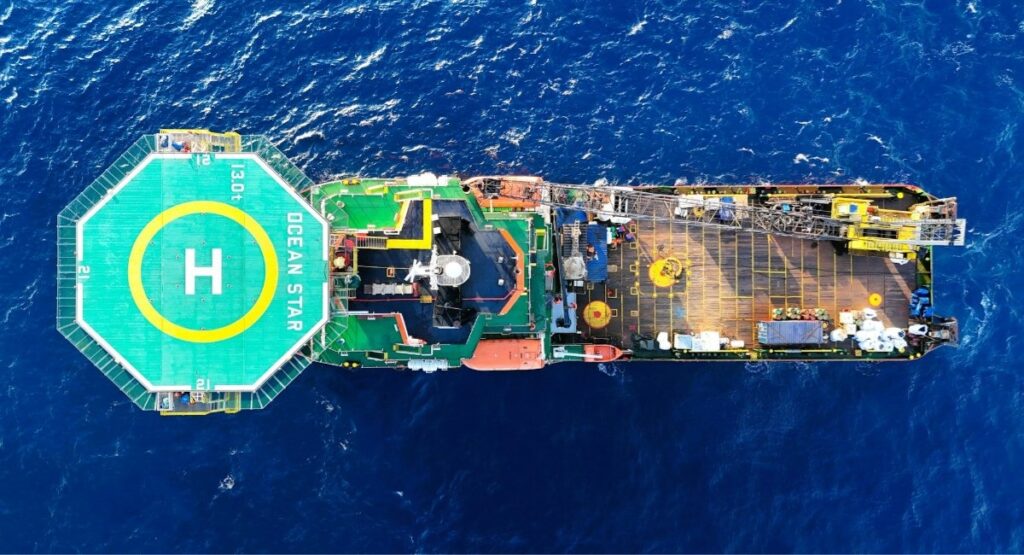
Source: Unsplash
Oil and gas crew travel is fundamentally different from corporate travel because it
involves high-risk remote environments, rigid shift rotations, multimodal transport chains, and regulatory compliance requirements that standard travel programs are simply not built to handle.
When you are running rotational crews, every missed connection or delayed transfer has a downstream cost. A flight delay into a remote camp does not just inconvenience one traveller. It can push back an entire shift handover, hold up production, and create fatigue risk for the outgoing crew who cannot leave until their replacement arrives.
Offshore crew transport also adds another layer of complexity. You are coordinating fixed-wing flights, helicopter shuttles, and, in some cases, vessel transfers. Each leg has its own weather window, weight limit, and safety protocol. There is no room for a travel program built on self-booking tools and no-service fees.
Why Standard Corporate Travel Programs Fall Short
These are the gaps that show up most often:
- No 24/7 emergency desk: General travel management companies often rely on after-hours call centers with no knowledge of your account or your crew’s location.
- No multi-modal booking capability: Helicopter operators, charter vessels, and remote camp logistics are outside most TMC platforms.
- No fatigue management integration: Standard programs do not flag crew hours in transit or flag compliance issues tied to rest-period requirements.
- No real-time location visibility: Duty-of-care tools built for urban business travellers are not designed for remote and offshore environments.
What are the Biggest Safety Risks in Oil and Gas Crew Travel?

The four biggest safety risks in oil and gas crew travel are remote-site access challenges, weather-related disruptions, regional and political instability, and fatigue management failure during transit.
Understanding where risk lives in your crew travel program is the first step to reducing it. Here is a closer look at each risk category.
Remote Site Access
Getting to and from a drilling rig or remote camp often requires multiple modes of transport, including charter flights, buses, and boat or helicopter transfers. Each handoff is a potential failure point. If one leg is delayed, the rest of the chain can collapse. You need contingency options built in from the start.
Weather Disruptions
Weather is the single most common cause of offshore crew transport delays. Helicopter operations are especially vulnerable to wind, fog, and icing conditions. A good travel risk management plan accounts for weather windows and always includes alternative routes or standby transport options.
Political and Regional Risk
Remote operations in politically unstable regions add an intelligence layer to crew
safety travel. You need real-time country risk alerts, pre-departure briefings, and
clear escalation protocols. Crews travelling through unfamiliar regions need to know
exactly who to contact if conditions change.
Fatigue Management
Long travel days and irregular sleep cycles before and after a rotation are a real safety hazard. Fatigue is a significant contributing factor in workplace accidents across extractive industries. A strong crew travel program tracks total hours in transit and builds buffer time into rotation schedules wherever possible.
What are the Best Practices for Oil and Gas Crew Travel Safety?
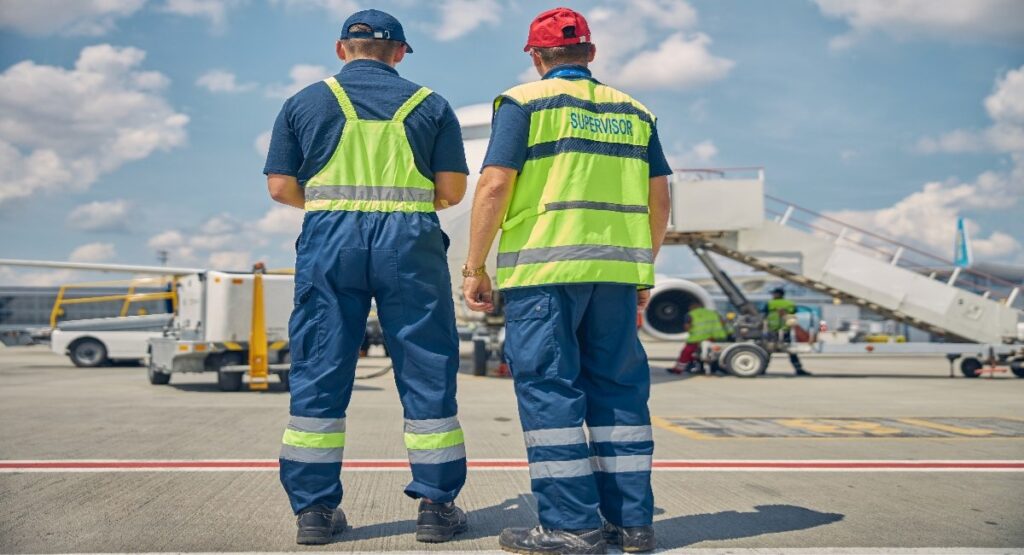
Safe oil and gas crew travel does not happen by accident. It comes down to four core practices that the best-run programs have in common.
Best Practice #1: Centralize Your Crew Travel Management
Centralizing oil and gas crew travel into a single managed program gives your operations team full visibility, consistent policy enforcement, and a single point of contact during disruptions.
When every booking goes through one platform and one team, you eliminate the gaps that create risk. Your travel manager knows your crews, your sites, and your preferred carriers. They can spot problems before they become incidents and escalate fast when they do.
Centralization also means better data. You can track spend by project, monitor policy
compliance, and identify patterns that lead to delays. If a certain helicopter operator
consistently runs late to a specific site, you will see it in the data before it
becomes a pattern that costs you.
Best Practice #2: Build Real-Time Tracking and Duty of Care Into Your Program
Real-time crew tracking and formal duty-of-care travel protocols are the backbone of a compliant remote workforce travel program. Without them, you cannot confirm crew location, respond to emergencies, or demonstrate regulatory compliance.
Duty of care in oil and gas is a legal and operational obligation. You need to know where every crew member is at every stage of their journey, from departure to arrival on-site. That means GPS-enabled traveller tracking, automated check-in alerts, and escalation triggers when a traveller goes off-script.
Modern travel technology platforms integrate location data, itinerary updates, and emergency communication tools into a single dashboard. When something changes, your operations team will see it in real time.
Best Practice #3: Build a Contingency Plan Before You Need One
Every oil and gas crew travel program needs to have documented contingency plans for transport failures, weather-related cancellations, and medical emergencies before rotations begin.
A contingency plan is a set of pre-approved decisions that your travel partner executes the moment a disruption is confirmed. That includes backup flight options, alternative modes of transport, approved accommodation near transport hubs, and a clear chain of communication with your HSE team.
Your crew travel partner should run through contingency scenarios with your operations team before each rotation cycle. That conversation alone can surface gaps you did not know existed.
Best Practice #4: Stay on Top of Compliance and Documentation
Compliance and documentation management in oil and gas crew travel includes visa tracking, medical fitness-to-travel records, safety induction requirements, and transport operator certification checks. Gaps in any of these areas can ground a crew before they ever reach the site.
Keep a centralized record of each crew member’s travel documentation, including passport expiry dates, visa status, and site-specific safety certifications. Your travel program should also flag expiring documents well in advance and block non-compliant travellers from booking until requirements are met.
Offshore crew transport adds carrier certification requirements on top of personal documentation. Helicopter operators, charter vessels, and remote air carriers all carry specific regulatory requirements that your travel team needs to verify before every rotation.
Why Specialized Crew Travel Partners Matter
A specialized crew travel partner brings industry-specific knowledge, 24/7 support, and purpose-built systems that general travel management companies simply cannot match for remote workforce travel.
When you partner with a team that understands oil and gas operations, you get more than booking capability. You get a travel manager who knows the difference between a heli-deck weight limit and a helipad protocol, who has relationships with charter operators in your
operating regions, and who has handled a crew stranded at a remote airstrip before.
Worldgo’s crew travel team is available around the clock, every day of the year. There are no call centers, no offshore help desks, and no scripted responses. When your crew is stuck, you talk to someone who knows your account. Contact Worldgo to build your crew travel program.
Frequently Asked Questions About Oil and Gas Crew Travel
Duty of care in crew safety travel means your company has a legal and ethical obligation to protect crew members throughout their entire journey, from their home base to the worksite and back. This includes real-time location tracking, pre-departure risk briefings, emergency response plans, and documentation that your program meets applicable safety and regulatory standards.
Offshore crew transport and remote site travel require multi-modal booking capability, pre-arranged contingency transport, and a 24/7 operations contact. Your travel program needs to cover every leg of the journey, including charter flights, helicopter transfers, and ground or vessel transport, with backup options already confirmed before departure.
Travel risk management for oil and gas involves identifying hazards throughout the entire crew travel chain, from political instability in transit regions to weather windows for helicopter operations. It includes real-time country risk monitoring, pre-departure safety briefings, documented escalation procedures, and post-trip incident review.
Fatigue during transit is a recognized safety risk in rotational industries. A strong
remote workforce travel program builds rest time into the schedule, limits continuous travel hours, and flags itineraries that push crew members into a shift after a long-haul journey.