Updated. March 2026
Corporate travel is entering a new phase in 2026.
After years of pandemic recovery and market volatility, business travel budgets are rising, AI-powered tools are reshaping how you book trips, and sustainability has moved beyond nice-to-have. You need to understand these shifts to keep your program competitive, compliant, and cost-effective.
Key drivers for 2026 include moderate but persistent inflation, global events like the 2026 FIFA World Cup Tournament, the rise of AI-powered travel management tools, sustainability mandates, and significant growth in the SME sector.
The good news? Companies that stay ahead of these business travel trends can optimize spending, improve traveller satisfaction, and build resilient programs that adapt to market shifts.
What are the Most Important Business Travel Trends for 2026?

The biggest business travel trends in 2026 include rising travel budgets, AI-powered booking automation, mandatory carbon tracking, flexible travel policies, growing bleisure demand, and increased group travel spending for conferences and team events.
Here are the key trends(in details) shaping 2026:
1. Rising Travel Costs and Strategic Budget Planning
Travel costs are climbing across all categories in 2026. Companies are factoring in higher costs, as airfares are forecast to rise 3.7% in 2026, up from the 3.1% increase seen in a midyear Morgan Stanley survey.
Hotels tell a different story. Travel managers forecast hotel bookings to increase 6.3% in volumes and 3.9% in room rates, with premium dates during major events commanding significantly higher prices.
You need to factor these increases into your 2026 planning. Early booking incentives and negotiated rates will become more valuable as spot-market prices climb. Companies that track spending patterns and adjust policies proactively will outperform those that react after budgets are already strained.
Consider the impact of major events like the soccer tournament. Demand in host cities will spike, inventory will tighten, and last-minute bookings will cost significantly more. Secure your accommodations and flights early for these peak periods.
 Image generated by AI
2. AI-Powered Travel Management and Automation
Artificial intelligence is no longer experimental in corporate travel. It is mainstream. AI-powered platforms can automate routine tasks like policy checking, booking approvals, and itinerary changes.
They can also provide personalized hotel and flight recommendations based on traveller preferences and company policies. When disruptions occur, AI tools can suggest alternative arrangements in real time.
The benefits extend beyond convenience. Automated policy enforcement reduces non-compliance, with 55% of travel managers prioritizing it for expense control.
Predictive analytics forecast travel demand, helping you negotiate better rates with your suppliers.
AI-powered chatbots can also handle common traveller questions 24/7, freeing your team to focus on complex issues that require human judgment.
3. Sustainability Mandates and Carbon Tracking
Sustainability has shifted beyond corporate social responsibility initiatives. It is now a compliance requirement for many organizations. 285 companies benchmarked travel emissions in 2025, up 20% year-over-year.
Many companies are setting carbon reduction targets tied to executive compensation. And your travel program plays a significant role in meeting those targets. Rail travel over short-haul flights, eco-certified hotels, and consolidated trips all contribute to lower emissions.
Modern booking platforms can display carbon footprints alongside prices, helping travellers make informed choices. Some platforms can calculate offsets automatically and integrate them into expense reports. These table stakes for competitive travel programs.
4. Flexible Travel Policies and Dynamic Budgeting
Static travel policies don’t work in 2026 because market conditions change too quickly. A policy written in January may not make sense by March. Dynamic travel policies can adapt to real-time circumstances, adjusting booking windows, fare caps, and approval thresholds based on current market rates.
For example, your policy might require 14-day advance booking for domestic flights under normal conditions. But when a client emergency demands immediate travel, automated approvals kick in without requiring manual reviews. You can maintain control while giving travellers the flexibility they need.
Dynamic budgeting works the same way. Instead of locking in annual travel budgets by quarter, you can adjust allocations based on your actual spend patterns and business priorities. If Q1 sales travel exceeds projections because you’re closing deals, you shift budget dollars accordingly. If conferences get cancelled in Q2, you reallocate those dollars elsewhere.
This flexibility helps to improve traveller satisfaction and reduces administrative friction. Your finance team will experience more predictable costs because you’re proactively adjusting rather than reacting to overruns.
5. Bleisure Travel and Extended Stays
Bleisure travel continues gaining momentum in 2026. After the pandemic blurred the lines between work and personal life, employees increasingly extend business trips for leisure activities.
This trend benefits both employees and employers. Travellers will get a better work-life balance. And companies can optimize for travel costs by combining multiple objectives into a single trip.
Bleisure bookings typically cost 10-15% more per trip because of extended hotel stays. But you can avoid the full cost of a second round-trip flight. Productivity will likely improve when employees return refreshed rather than burned out after back-to-back business trips.
Your policy needs clear guidelines on what’s reimbursable and what’s not. Typically, companies cover business-related expenses through the last business day, and employees pay for personal extensions.
6. Group Travel and Meeting Resurgence
Group travel for team off-sites, conferences, and incentives is surging as MICE demand rises (GBTA BTI Report 2024). Trade shows drive significant spending post-virtual era. Trade shows, conventions, and corporate events are driving significant travel spending as companies prioritize face-to-face collaboration over virtual meetings.
The average cost per attendee at corporate events rose to $169 in 2025 (CWT/GBTA, 2025). Venue costs, catering, and staffing also increased. You will need to plan further in advance and negotiate group rates aggressively to control costs.
Group bookings require different strategies than individual business travel. You’re managing room blocks, ground transportation, event logistics, and sometimes international attendees with varying visa requirements. Partnering with a travel management company that specializes in group coordination will help you avoid costly mistakes.
7. Private Jet Usage and Premium Travel Growth
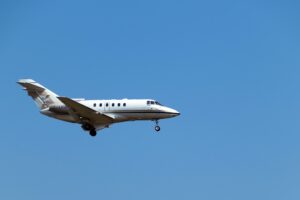
Private jet usage is gaining traction, with 10% of companies reporting more permissive policies, up from 4% midyear and 2% a year ago. Economic growth and increasing demand for fractional ownership are driving this trend. Senior executives need flexibility that commercial schedules can’t always provide.
Private jets make sense for specific use cases: last-minute travel to locations with limited commercial service, multi-city trips in a single day, or high-value meetings where schedule certainty matters more than cost. The key is to define clear criteria for when private aviation is appropriate and when it is excessive.
Many companies use a tiered approach. C-suite executives have broader authorization. Regional managers require approval for costs above certain thresholds. This balances accessibility with fiscal responsibility.
8. Mobile-First Booking and Self-Service Adoption
Mobile booking is becoming the dominant channel for business travellers in 2026. Travellers expect seamless mobile experiences that rival consumer travel apps. They want to book flights and hotels from their phones, receive real-time updates, and manage itinerary changes without calling support.
This shift toward self-service doesn’t eliminate the need for human support. It changes when and how travellers access it. Complex itineraries, multi-city trips, and disruption management still benefit from expert assistance. The key is offering both options seamlessly.
Modern booking platforms provide mobile apps that integrate with corporate travel policies. Travellers can see pre-approved options that automatically comply with policy. They can book confidently, knowing every option meets company guidelines. Policy enforcement happens invisibly rather than through manual approval workflows that slow down travel planning.
Optimize Your 2026 Travel Program
Business travel trends in 2026 require strategic planning, technology adoption, and expert support. Rising costs, sustainability mandates, and evolving traveller expectations demand more than generic solutions.
You need a partner who understands your business, delivers measurable value, and supports your team when plans change.
At Worldgo, we combine industry-leading technology with hands-on service that makes corporate travel simple. Transparent pricing with no hidden fees. Dedicated travel managers who know your business inside out. 24/7 support when disruptions occur.
Frequently Asked Questions
Business travel in 2026 and beyond will be driven by AI automation, sustainability mandates, and flexible policies that balance cost control with traveller experience. Companies are treating travel as a strategic investment rather than just an expense.
The main types include client meetings and sales calls, conferences and trade shows, training and professional development, internal meetings and team off-sites, and site visits or inspections. Then there is bleisure travel, which combines business trips with personal leisure time, and is also growing rapidly as employees seek a better work-life balance.
Key trends for 2026 include rising travel budgets (up 5% globally), mandatory carbon tracking and sustainability reporting, AI-powered booking automation, and flexible dynamic policies.
No, AI handles routine tasks like policy checks and simple bookings, but human expertise remains essential for complex itineraries, negotiations, disruption management, and personalized service. The best travel programs combine AI efficiency with dedicated travel managers who know your business and solve problems that require judgment and experience.